Why does your book cover matter?
Readers may be told not to judge a book by its cover… but let’s be honest, they do!
Before someone reads your description or discovers your world and characters, they see your cover. In seconds, it helps them identify the genre, understand the tone, and decide whether the story is for them. A dark forest and distant castle may attract fantasy readers. A romantic couple may appeal to readers looking for chemistry. A bloodstained object may intrigue mystery and thriller readers. A beautiful cover will not automatically make a book successful, but the right cover will help the right readers find your book!
Different readers notice different things
Not every reader responds to the same type of cover. Some are drawn to characters. Others prefer romantic couples, atmospheric settings, or symbolic objects. Each approach highlights a different part of the story and attracts readers for different reasons. This is why one book can work with several cover directions. The story remains the same, but each cover gives readers a different reason to open it.
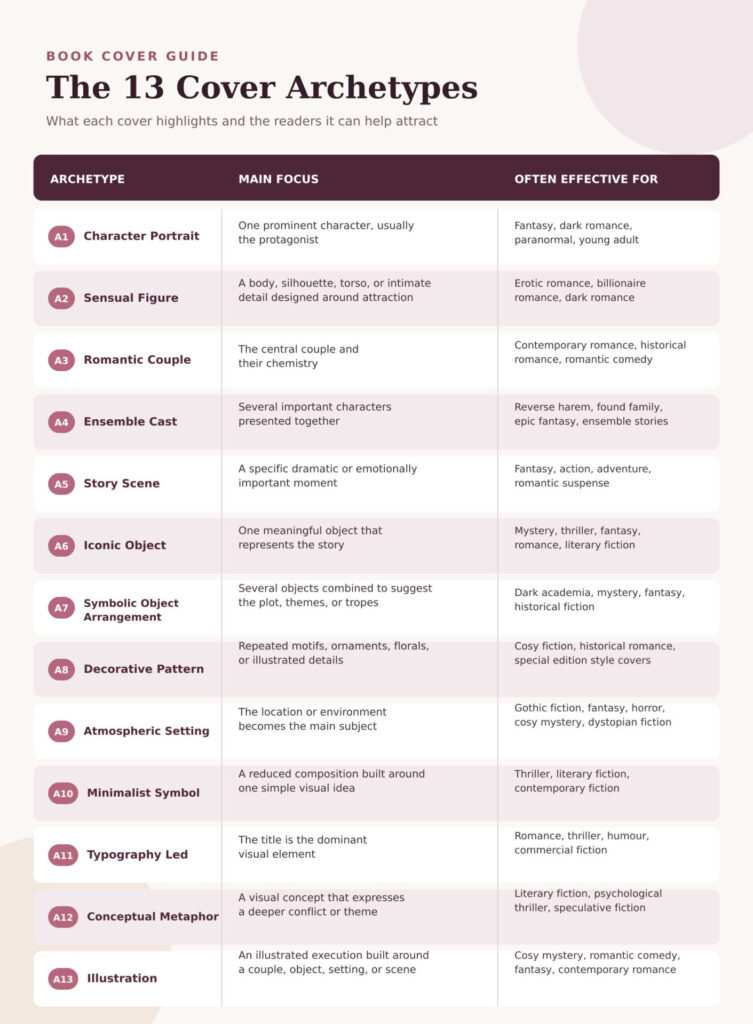
After looking at the different ways books are presented and what readers respond to, we identified 13 main cover archetypes: Character Portrait, Sensual Figure, Romantic Couple, Ensemble Cast, Story Scene, Iconic Object, Symbolic Composition, Decorative Pattern, Atmospheric Setting, Minimalist Symbol, Typography Led, Conceptual Metaphor, and Illustration. Each archetype highlights a different aspect of the story and gives readers a different reason to stop and look. Let’s explore what they communicate, which readers they attract, and when they work best.
Which archetype is right for your book?
There is rarely only one correct answer. A romance can focus on the couple, the setting, or an object that represents their relationship. A fantasy can highlight the protagonist, the magical world, or a dramatic scene. Each direction presents a different reason to read the same story.
The best archetype depends on what you want readers to notice first. Do you want them to connect with the main character, feel the romance, enter the world, or become curious about the mystery?
It is also important to look at other successful books in your genre. Readers become familiar with certain visual signals. Using those signals helps them recognise the kind of story you are offering, while your colours, imagery, and details make the cover feel unique to your book.
Why explore several cover directions?
Exploring different archetypes helps you identify your book’s strongest selling point. A Character Portrait may attract readers interested in the heroine, while a Romantic Couple highlights the chemistry and an Atmospheric Setting sells the world. Your story remains the same, but each direction gives the right reader a different reason to stop and open it.
A little extra for Weink authors…
If you are a Weink author, we may have already prepared new cover options for your book! Visit the Opportunity tab in your Author Portal to view them. You can choose the archetype you prefer or select Auto select best cover, which authorises Weink to automatically switch your book to its best performing cover when this feature becomes available. Your story stays the same, but its cover can adapt to what readers respond to best ❤️
You can find below a few examples of each archetype & some of our Weink authors!
Character Portrait
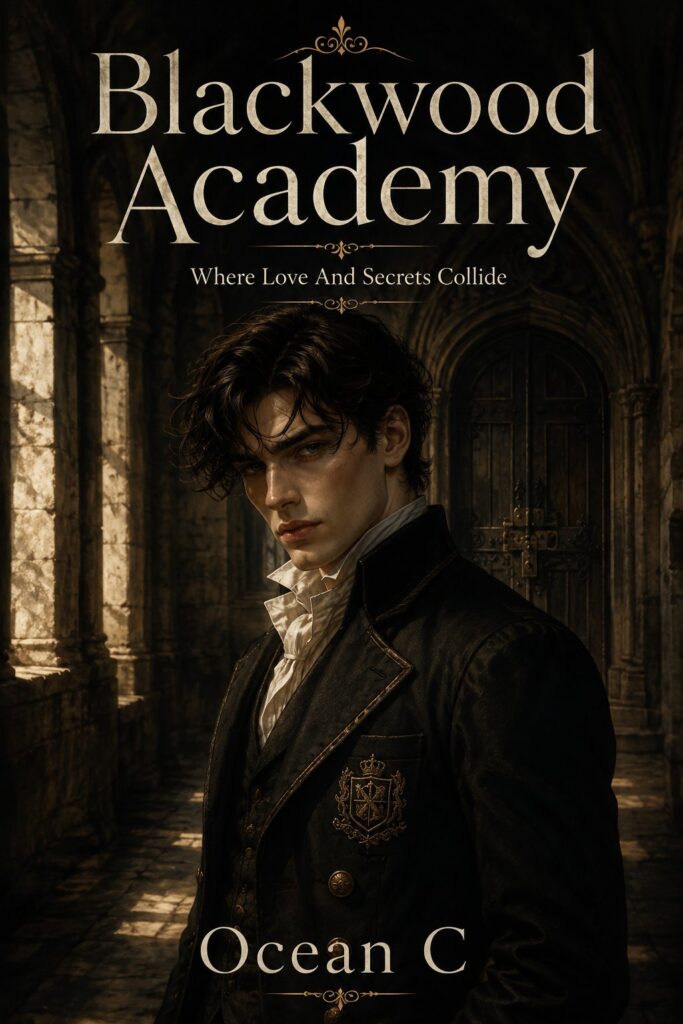
A Character Portrait places one main character at the centre of the cover. It works well when the protagonist’s identity, power, transformation, or personal journey is one of the strongest parts of the story. These covers often attract readers who want to connect with the main character immediately. They are common in fantasy, paranormal romance, young adult fiction, and dark romance.
Sensual Figure
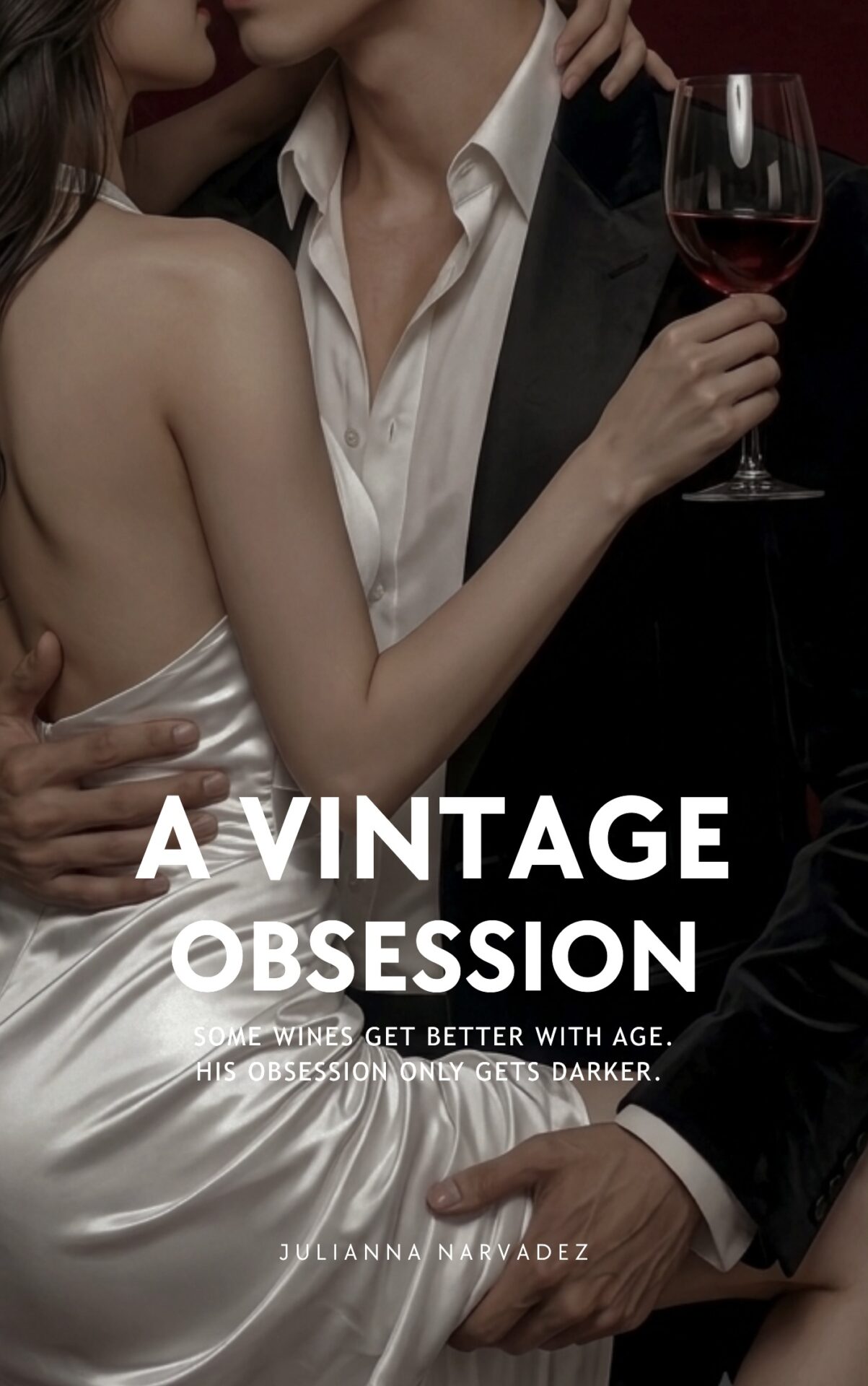
A Sensual Figure cover uses a body, silhouette, or intimate detail to communicate attraction and physical chemistry. The character’s face may be partially hidden so the focus remains on desire rather than identity. This archetype attracts readers looking for passion, tension, and a more mature romance. It is often used for erotic romance, dark romance, billionaire romance, and mafia romance.
Romantic Couple
A Romantic Couple cover makes the relationship the main focus. The couple’s expressions, body language, and distance from one another can suggest whether the story is sweet, passionate, playful, forbidden, or dangerous. These covers appeal to readers who want the romantic promise to be immediately clear. They work particularly well for contemporary romance, romantic comedy, historical romance, and romantic fantasy.
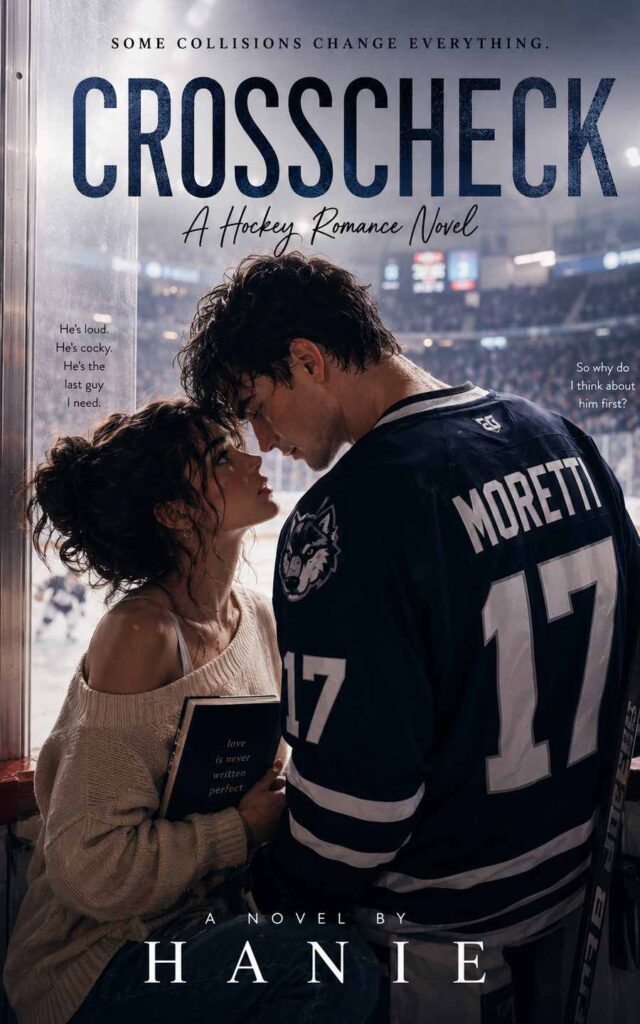
Ensemble Cast
An Ensemble Cast cover features several important characters rather than focusing on just one. It tells readers that relationships between multiple characters will play an important role in the story. These covers often attract readers who enjoy found family, friendship groups, reverse harem, team dynamics, or stories told from several perspectives.
Story Scene
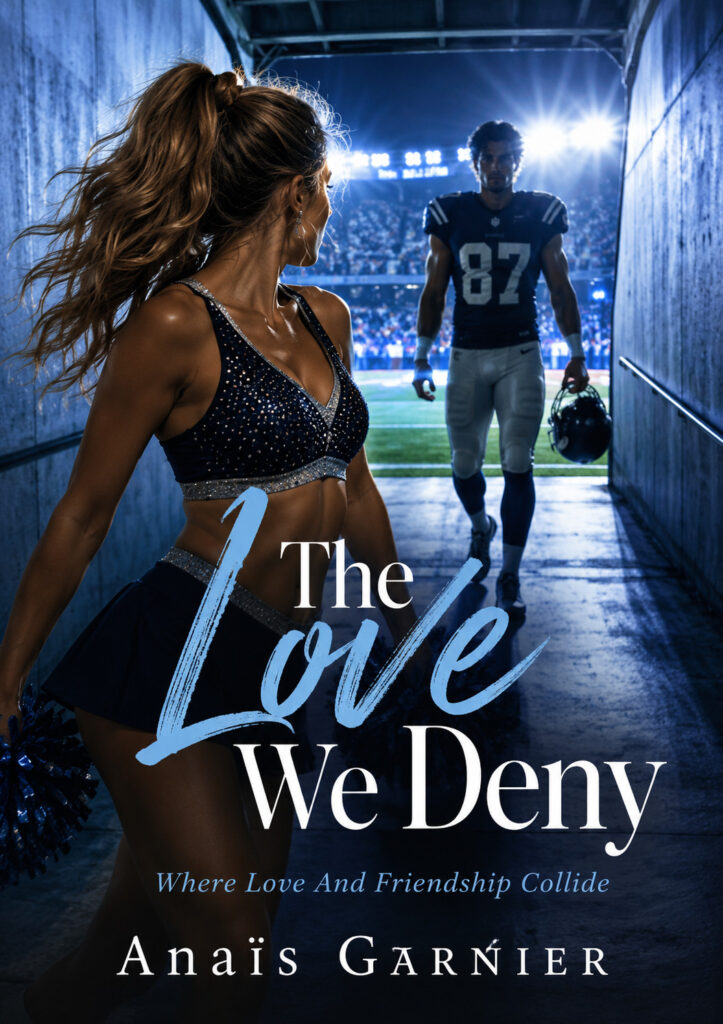
A Story Scene shows a dramatic or meaningful moment from the book. It may feature a confrontation, an escape, a battle, a romantic encounter, or a character exploring an important location. This archetype attracts readers who want to feel the action and imagine themselves inside the story. It is especially effective for fantasy, adventure, dystopian fiction, romantic suspense, and action driven stories.
Iconic Object
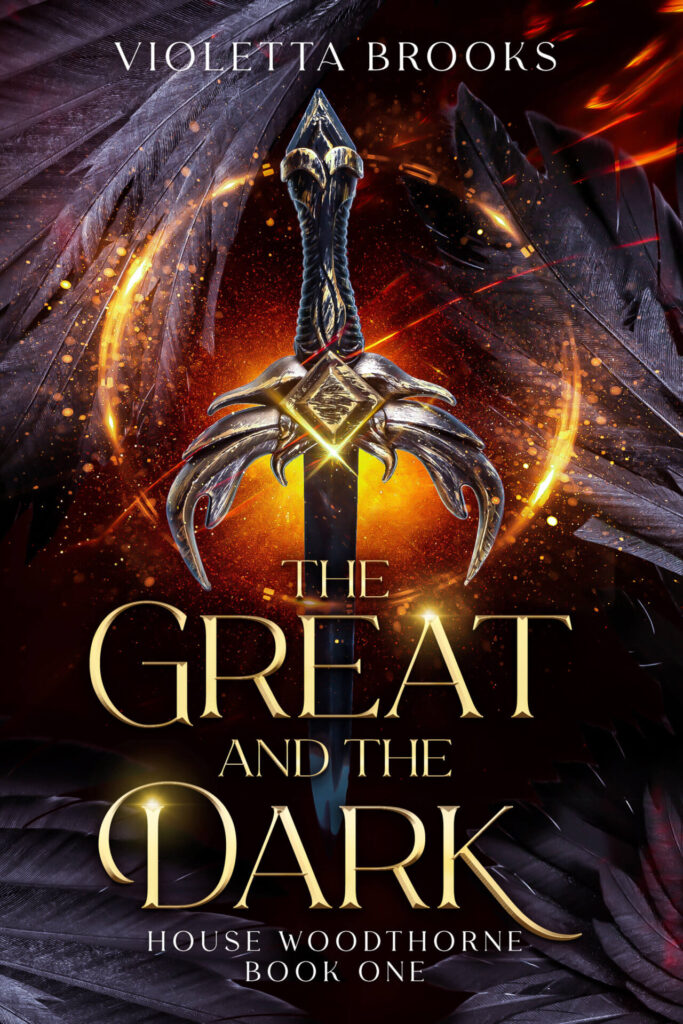
An Iconic Object cover focuses on one object that holds strong meaning within the story. This could be a crown, key, weapon, flower, letter, necklace, or another recognisable symbol. It creates curiosity without revealing too much and works well for readers who enjoy mystery and symbolism. This archetype can be used across fantasy, romance, mystery, thriller, and literary fiction.
Symbolic Composition
A Symbolic Composition brings several meaningful objects together to represent different parts of the story. A crown, dagger, rose, and broken chain, for example, could communicate power, danger, romance, and captivity without showing a specific scene. These covers appeal to readers who enjoy discovering the meaning behind each detail as they read. They are often effective for fantasy, dark academia, mystery, historical fiction, and darker romance.
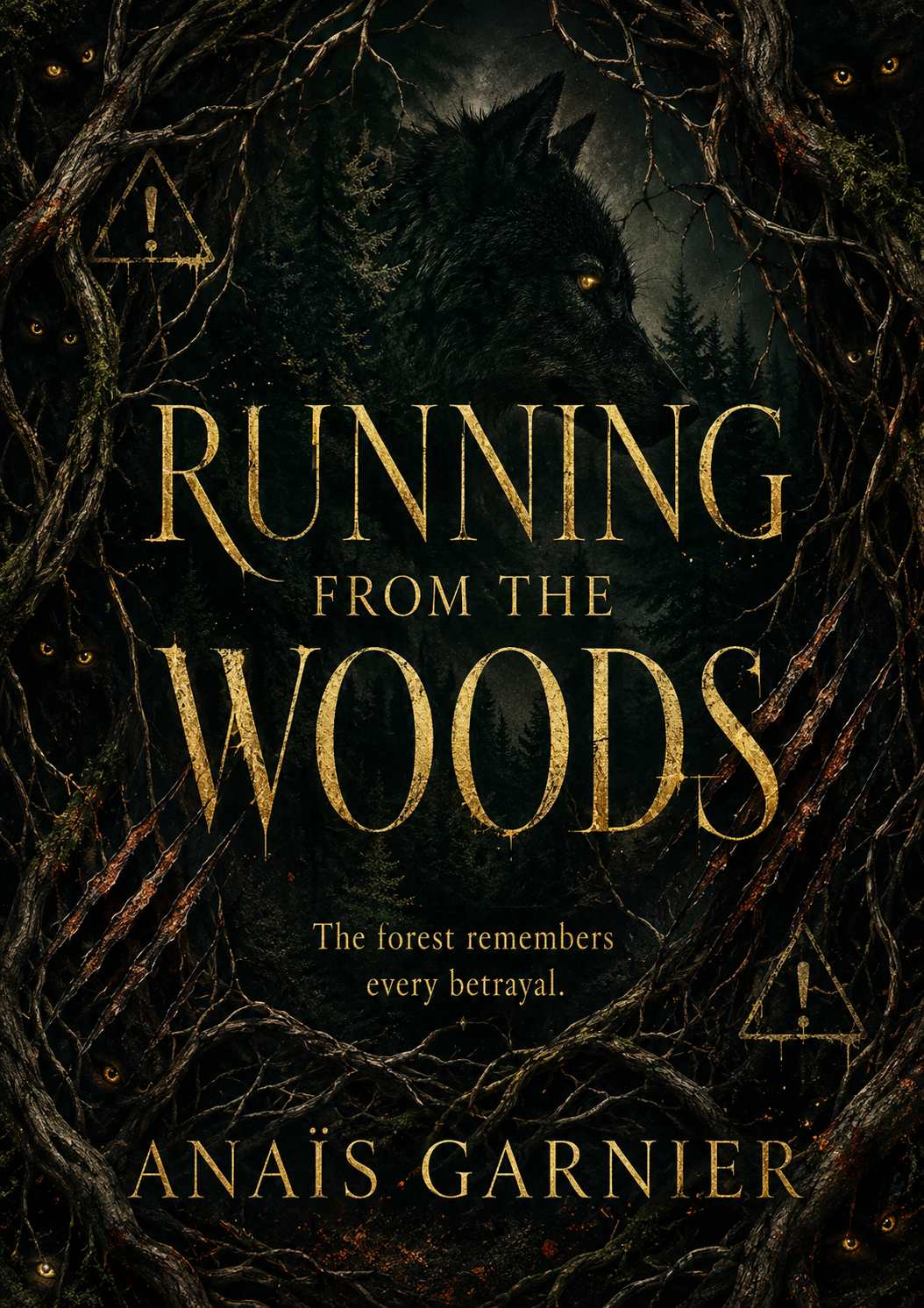
Decorative Pattern
A Decorative Pattern cover uses repeated illustrations, florals, ornaments, or small story-related details to create a complete design. It may feel elegant, charming, whimsical, or luxurious depending on the colours and motifs used. These covers often attract readers who appreciate beautiful editions and subtle references to the story. They work well for cosy fiction, historical romance, fantasy, romantic comedy, and special edition style books.
Atmospheric Setting
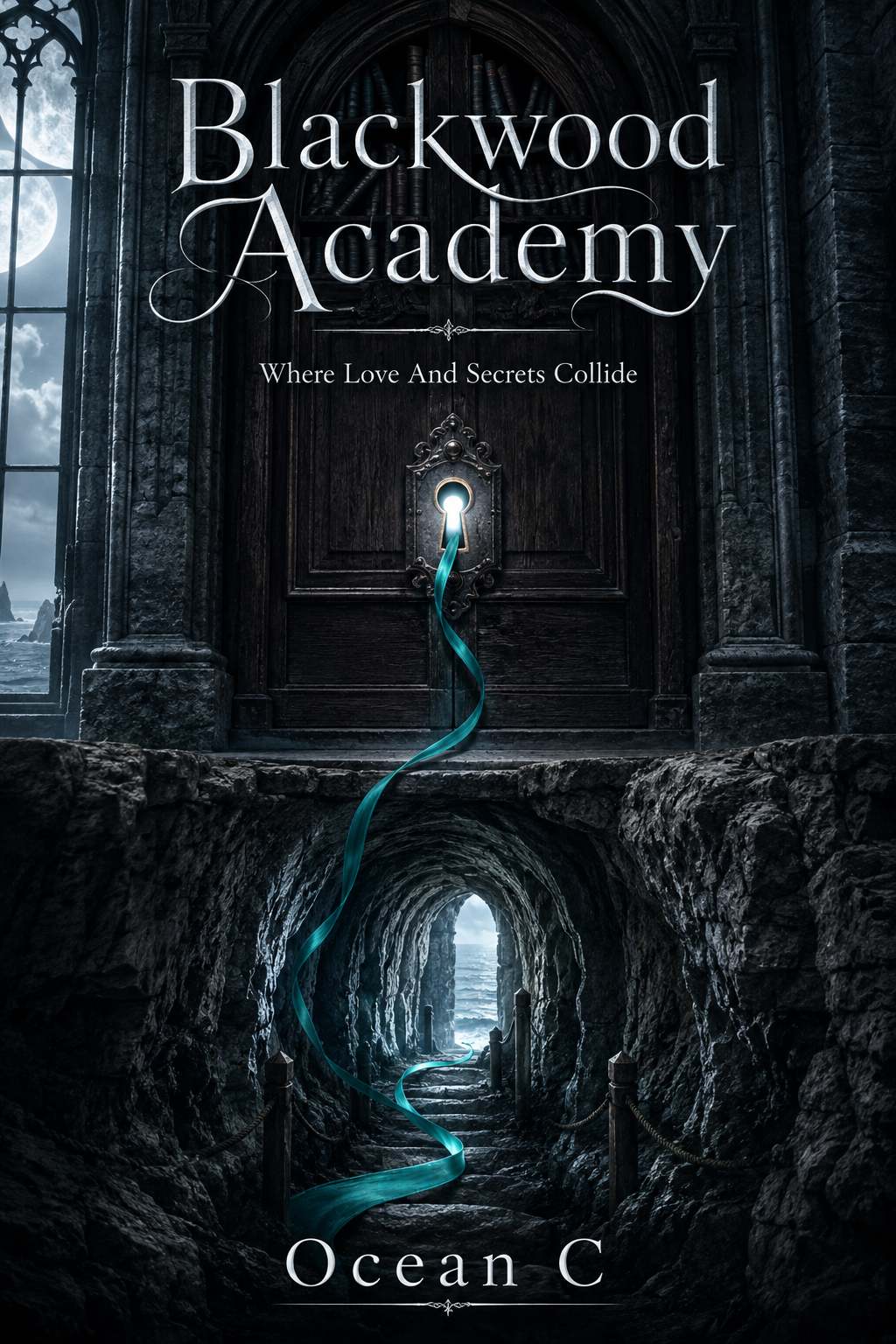
An Atmospheric Setting cover makes the story’s location the main focus. It may feature a gothic mansion, an enchanted forest, a magical city, a quiet village, or a distant castle. This archetype appeals to readers who choose books because they want to enter a particular world or atmosphere. It works especially well for fantasy, gothic fiction, horror, cosy mystery, dystopian fiction, and historical stories.
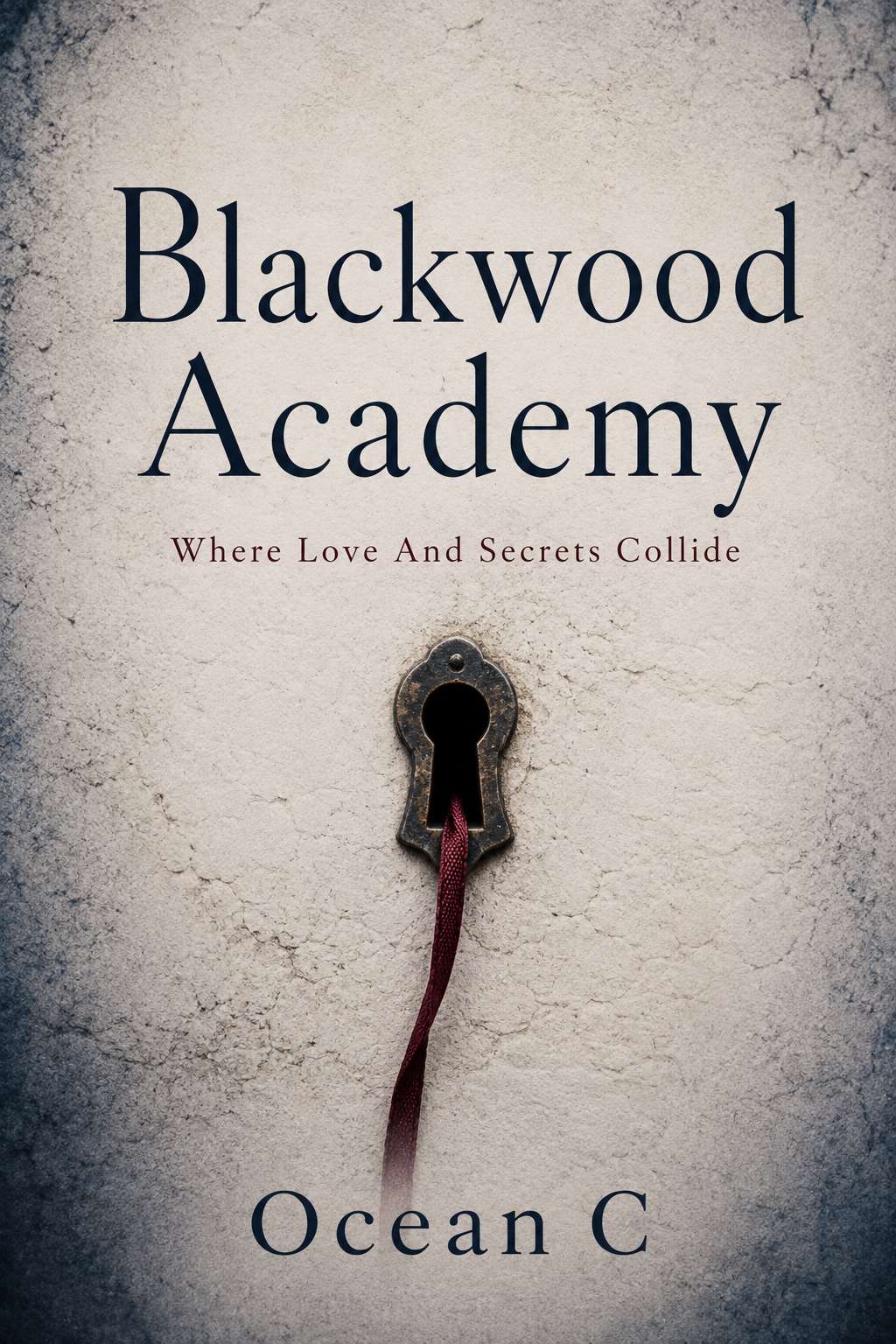
Minimalist Symbol
A Minimalist Symbol cover communicates the story through one simple image and plenty of clean space. It might feature a single flame, a broken ring, an eye, or another carefully chosen symbol. These covers are easy to recognise at a small size and can create strong curiosity. They often appeal to readers who prefer modern, polished, and less literal designs.
Typography Led
A Typography Led cover makes the title the main visual element. The lettering, size, placement, and colour communicate the book’s personality before the reader notices any other detail. Bold lettering may suggest a thriller, while playful lettering may signal a romantic comedy. This archetype works best when the title is memorable and the typography clearly reflects the genre.
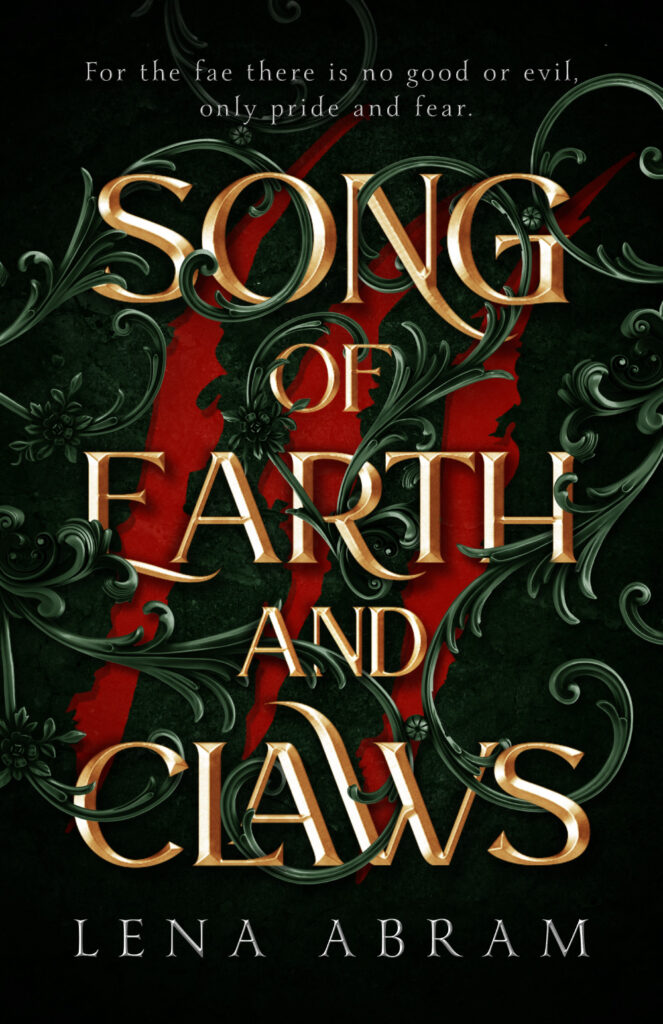
Conceptual Metaphor
A Conceptual Metaphor uses a visual idea to represent the story’s deeper conflict or theme. For example, a character trapped inside a birdcage could represent control, while two shadows moving in opposite directions could suggest a divided identity. These covers appeal to readers who enjoy thoughtful, unusual, and less literal designs. They are often used for literary fiction, psychological thrillers, speculative fiction, and emotionally complex stories.
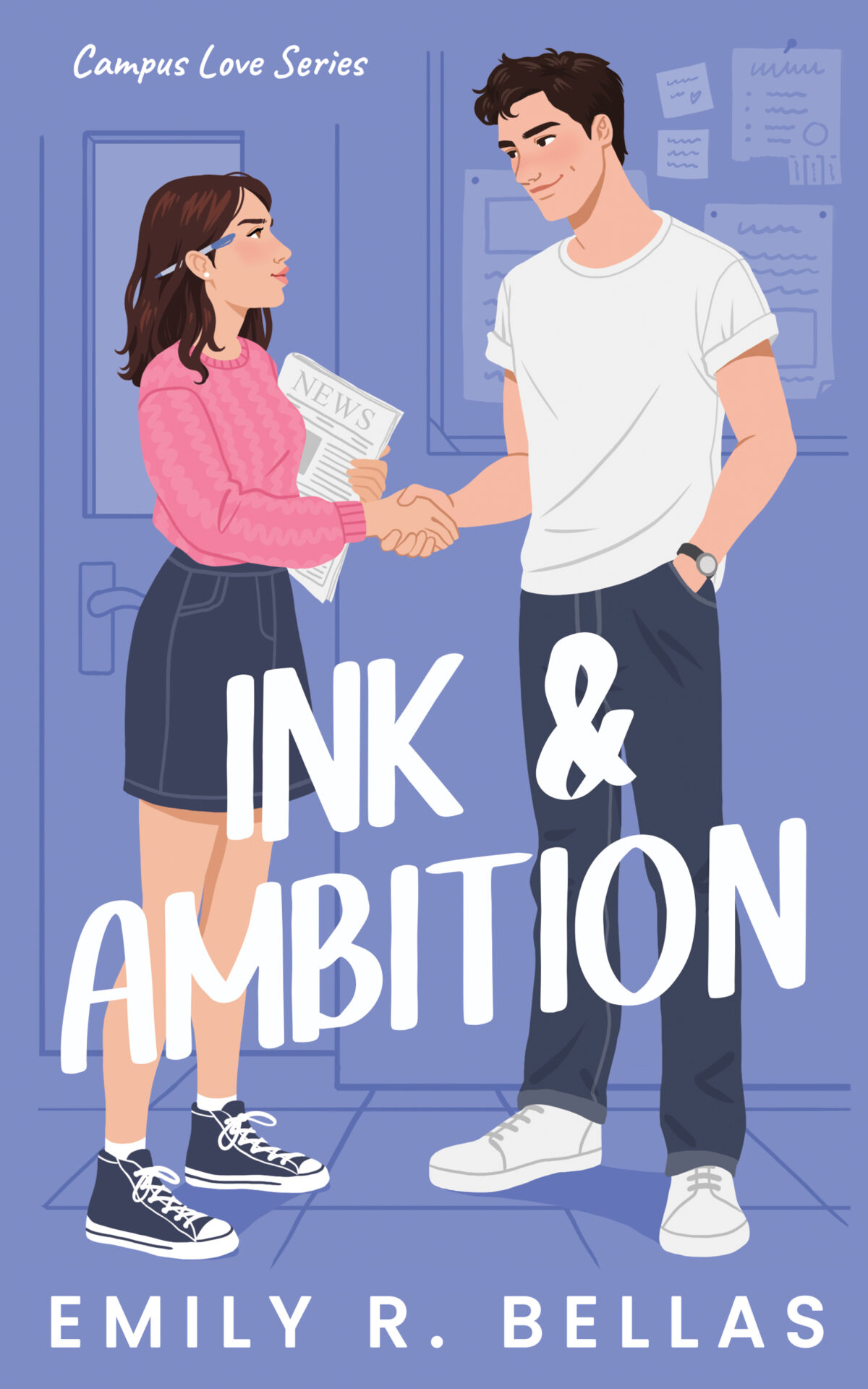
Illustration
An Illustration cover uses illustrated artwork instead of photography or realistic imagery. However, illustration alone does not determine the composition. An illustrated cover can still focus on a character, couple, object, setting, or complete story scene.
The style can also change the reading promise. A warm decorative illustration may feel cosy and inviting, while a detailed cinematic illustration may feel dramatic and adventurous. Illustrated covers often appeal to readers of romantic comedy, cosy mystery, fantasy, young adult fiction, and contemporary romance.